Keep up with the latest news and updates on doing globally-minded business in a global world.
I'm still a little in awe writing this. AAA Translation has just been named to the U.S. Chamber of Commerce's CO—100: America's Top 100 Small Businesses list — chosen from more than 12,000 applicants nationwide. We're honored to be recognized in the Global Stars category, alongside an incredible group of founders and business owners from 36 states and Washington, D.C. When I think about what this award really means, it's not about me. It's about every translator, project manager, and team member who has shown up for our clients — across languages, time zones, and deadlines — to make sure the work was done right. It's about the clients who trusted us with their words and their businesses. This recognition belongs to all of you.
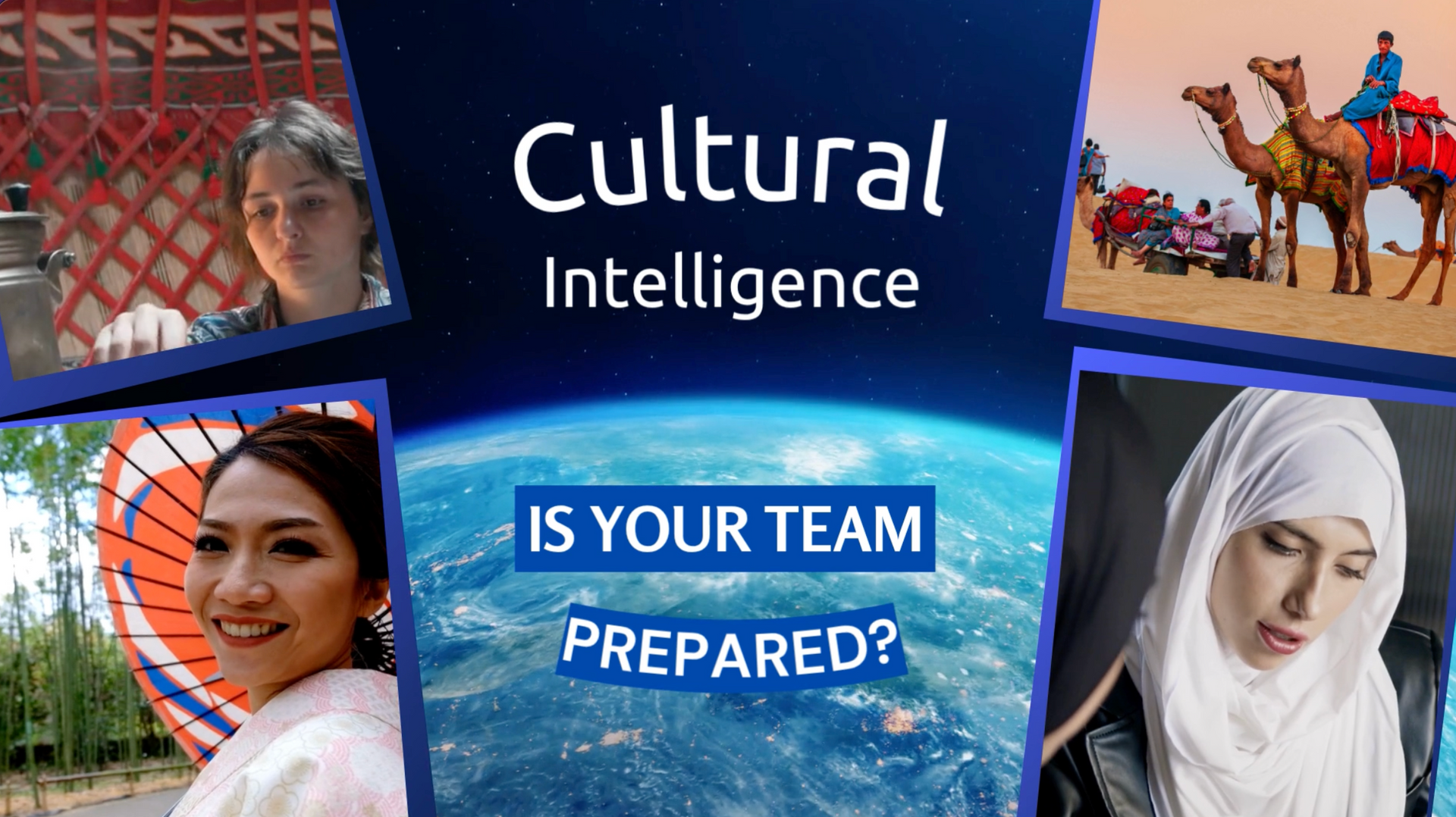
Cultural intelligence recognizes that people don't simply speak different languages, and it makes a difference for your business.
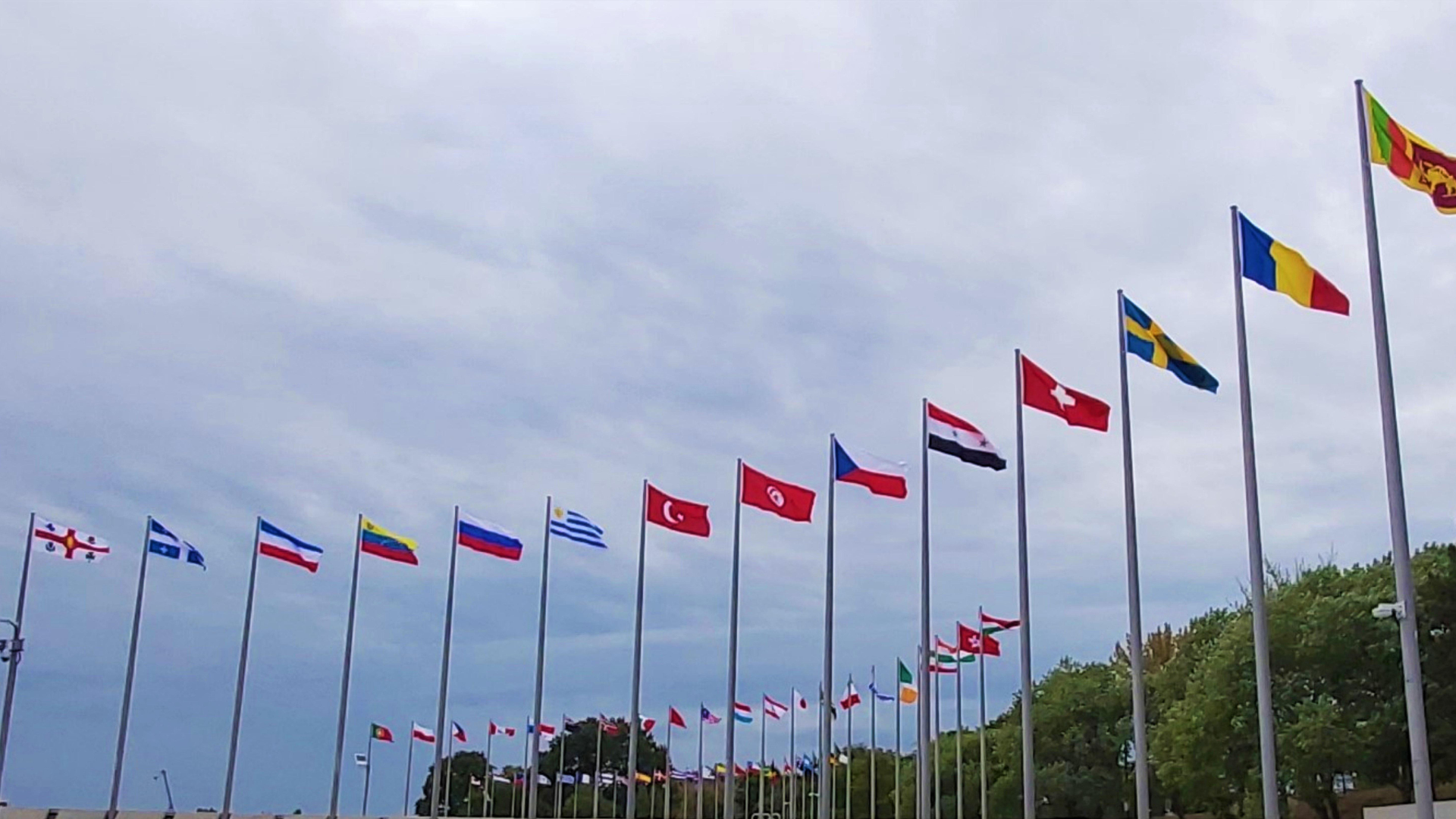
Olympic host cities often talk about legacy - the lasting benefits that remain long after the final medal ceremony. Language access can be one of those legacies.
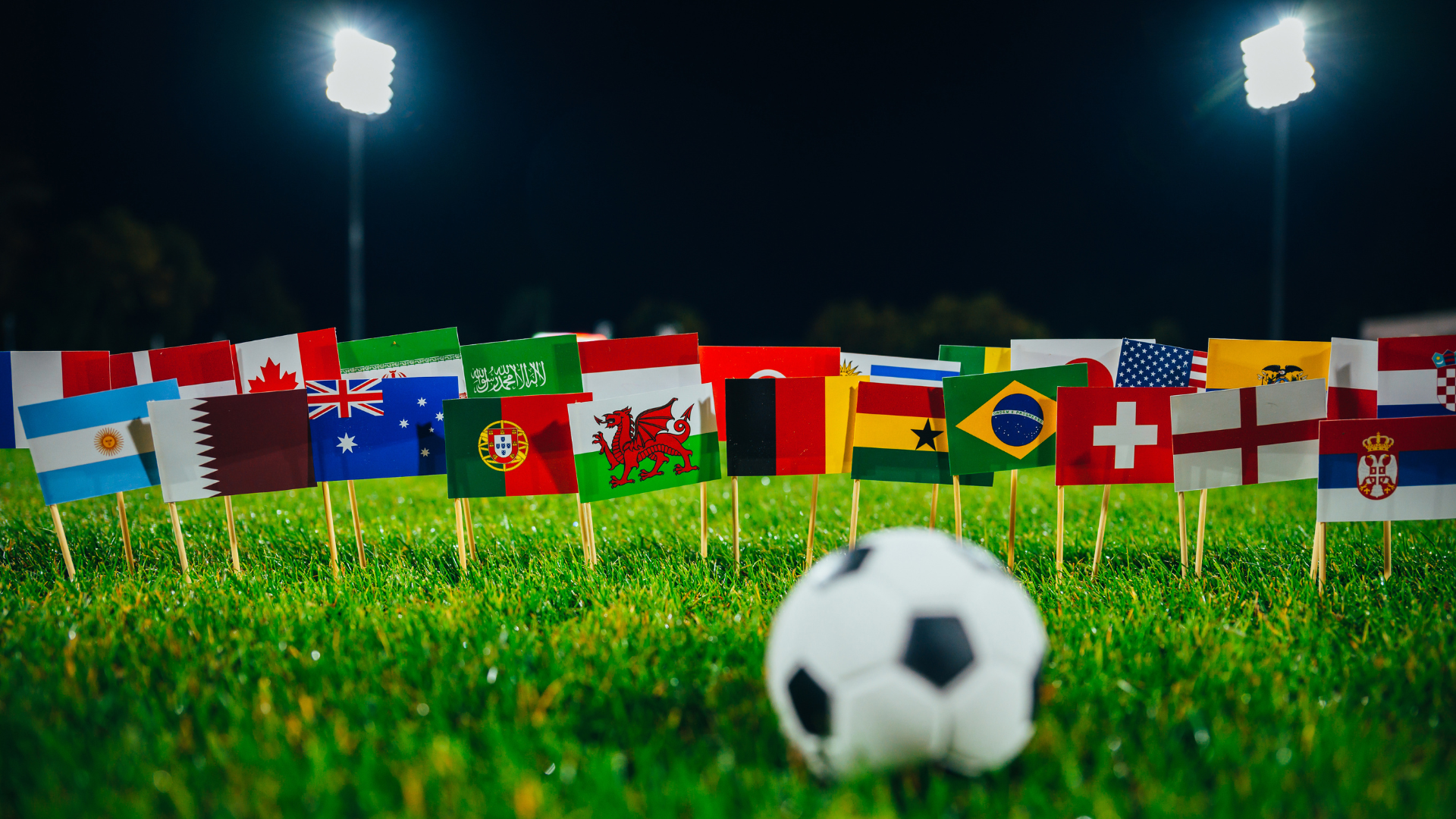
The United States is preparing to host one of the largest sporting events in history, bringing extraordinary cultural and linguistic diversity.
AI Is Transforming Translation. But Without Human Review, It's Just Noise in Another Language. A $45 billion industry is being reshaped in real time. AI-powered translation tools are no longer a novelty — they're woven into the daily workflows of localization teams worldwide. Faster turnarounds. Lower per-word costs. The ability to process volumes of content that would have taken months just a decade ago. And honestly? That's genuinely impressive. But here's the conversation the industry isn't having loudly enough: Automation without human oversight isn't efficiency. It's a liability. Let me be direct. I'm not anti-AI. Used correctly, machine translation and AI-assisted workflows are powerful tools — they handle the heavy lifting of scale and speed so that skilled human translators can focus on what machines simply cannot do. The problem is when companies skip the second part. When a legal contract is auto-translated and published without expert review, you're not saving time — you're creating exposure. When a marketing campaign is localized by algorithm alone, you're not reaching new markets — you're potentially offending them. A machine can translate words. It takes a human to translate meaning. Here's what automation still gets wrong — consistently. Cultural nuance is invisible to AI. Humor, metaphor, regional idiom, tone — these aren't just stylistic choices. They are the difference between a message that resonates and one that falls flat or worse, causes offense. Consider a phrase that's perfectly professional in American English but carries an unintended edge in Brazilian Portuguese. Or a tagline that's clever in German but confusing in Japanese. AI doesn't know what it doesn't know. It has no lived experience of the culture it's translating into. That's not a bug that will be patched in the next model update. It's a fundamental limitation of systems that process language statistically rather than experiencing it culturally. And the stakes are high. 76% of online buyers prefer purchasing in their native language. 40% won't buy from a website that isn't in their language at all. Every mistranslation isn't just an error — it's a lost customer and a damaged brand. The model that works: automation as a starting point, humans as the final word. The smartest localization operations today have figured this out. They use AI for what it excels at — generating first drafts at scale, maintaining terminology consistency, routing content through workflows efficiently. Then they hand it to a human. Not for proofreading. Not for spell-check. For cultural validation. For tonal judgment. For the kind of contextual awareness that only comes from someone who has lived inside a language and a culture. That human step isn't a cost center. It's quality assurance. It's brand protection. It's the difference between content that converts and content that confuses. My take as someone who works in this space every day: The race to the bottom on price — powered by "pure AI translation" offerings — is real. And some clients are tempted. The numbers look attractive on a spreadsheet. But the cost of a cultural misstep, a compliance failure, or a brand inconsistency across markets doesn't show up on that spreadsheet until it's too late. The firms and teams winning right now are the ones positioning themselves not as translation vendors but as cultural intelligence partners — leveraging the speed of automation while never compromising on the human judgment that makes the final product trustworthy. That combination is what the market actually needs. It's just not always what's being sold. What are you seeing in your corner of the industry? Are clients starting to push back on pure-AI translation after experiencing the gaps — or is the cost pressure still winning? 👇 Let's talk about it. #Translation #Localization #HumanInTheLoop #LanguageServices #GlobalBusiness #CulturalNuance #Transcreation #B2B #LanguageIndustry
Simultaneous interpretation is one of the most cognitively demanding tasks a human brain can perform, and neuroscience has revealed some fascinating things about what's happening under the hood. Three things happening at once According to the "Efforts Model" proposed by linguist Daniel Gile, during simultaneous interpretation the brain performs three concurrent mental operations: it perceives and processes the current fragment of speech in the source language, stores previously heard information in memory, and generates an equivalent message in the target language — all at the same time. EurekAlert! Which brain regions light up One of the most important areas active during simultaneous interpretation is the caudate nucleus , which plays a role in decision-making and acts as a kind of "orchestra conductor," coordinating different brain regions to carry out complex tasks. Two areas of the striatum are also active: the caudate nucleus and the putamen . Collettivointerpreti fMRI research found significant modulation of the putamen based on how long an interpreter was simultaneously speaking and hearing — suggesting it's central to managing that overlap. PubMed Broca's area , linked to speech production and working memory, is also highly active — and it connects to nearby regions that help control both language production and comprehension. Collettivointerpreti Memory is under enormous pressure EEG research shows that the brain draws on significantly more cognitive resources to hold information in memory and process what was just heard, compared to ordinary listening or speaking. Essentially, working memory is being stretched to its limits — storing what was just said while simultaneously producing output in another language. Neuroscience News The brain physically changes with training The high cognitive demands of simultaneous interpreting lead to increased neural connectivity between prefrontal brain regions involved in executive control — and this "neural fingerprint" is detectable even when the interpreter is at rest. In other words, years of interpreting actually rewire the brain's architecture. nih Studies also found that as interpreters become more experienced, the caudate nucleus is recruited less during the task — suggesting the brain becomes more efficient and the process grows more automatized over time. nih It's a remarkable example of the brain's plasticity — and why professional interpreters typically can only work in short bursts (usually 20–30 minutes) before handing off to a colleague. https://neurosciencenews.com/eeg-cognition-10581/
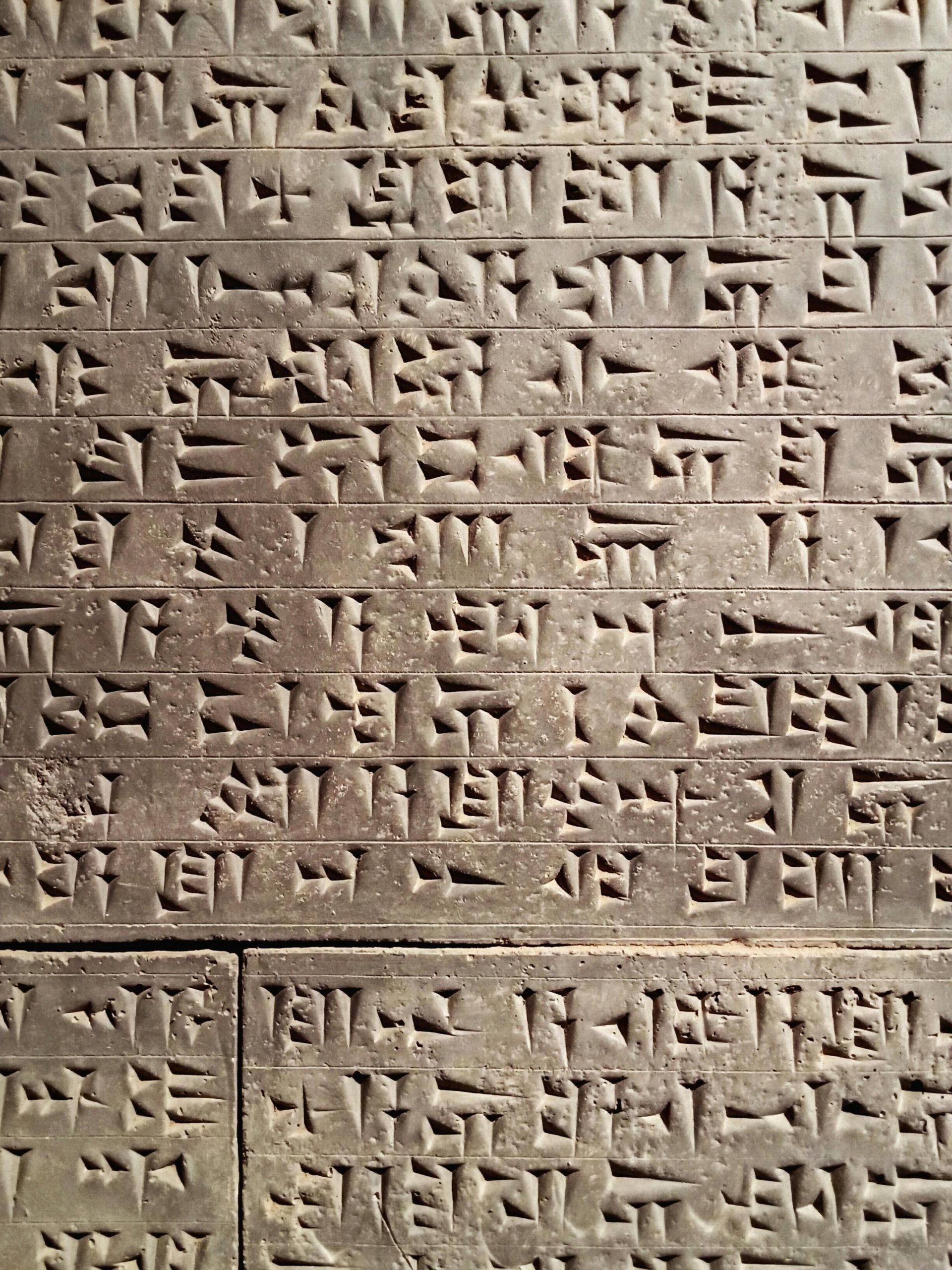
Far more than swapping words — translation is an act of bridging entire worlds. When most people think of translation, they picture a dictionary — a word on one side, its equivalent on the other. But anyone who has ever tried to translate a poem, a joke, or a heartfelt letter knows the truth: language is not a code to be cracked. It is a living system shaped by history, culture, emotion, and context. Translation, at its core, is the art and science of carrying meaning across that divide. "Translation is not a matter of words only. It is a matter of making intelligible a whole culture." — Anthony Burgess The linguistic layer: structure, grammar, and vocabulary The most visible dimension of translation is linguistics. Every language has its own grammar — its rules for constructing sentences, indicating tense, marking gender, expressing plurality, and more. English uses strict word order to convey meaning; Turkish relies on suffixes; Mandarin depends heavily on context and tone. A translator must not only know what words mean but understand how those meanings shift when assembled differently. Vocabulary itself is a minefield. Languages rarely have perfect one-to-one word correspondences. Portuguese has saudade — a deep, melancholic longing for something or someone absent — for which English has no single word. German offers Schadenfreude, the pleasure derived from another's misfortune, now borrowed wholesale into English precisely because we lacked an equivalent. A good translator decides: do you borrow the foreign word, explain it in a phrase, or find the closest approximation and accept some loss? Vocabulary - Finding equivalents where none may exist Grammar - Restructuring meaning across different syntactic rules Register - Matching the formality and tone of the original The cultural layer: context that words alone can't carry Language is the product of a community. Every sentence carries cultural assumptions about social roles, shared history, and unspoken norms. Translating a Japanese business email requires understanding a whole framework of hierarchical politeness that simply does not exist in English in the same form. Translating an Arabic proverb means deciding whether to keep its unfamiliar imagery — and let readers feel the foreignness — or substitute a culturally equivalent saying from the target language. Humor is perhaps the greatest cultural test. A pun in one language rarely survives translation because wordplay is rooted in the specific sounds and double meanings of a particular tongue. Skilled translators often create entirely new jokes that produce the same comic effect, rather than explaining the original — because explanation, as any comedian knows, kills the laugh. The tonal and stylistic layer: voice and register Translation is also an act of writing. A translator must not only understand the source text but reproduce its voice. The compressed, staccato rhythms of Hemingway demand a vastly different approach than the ornate, breathless sentences of Proust. Poetry complicates this further: should a translator preserve the rhyme scheme, the meter, the literal meaning, or the emotional texture? Often, it is impossible to preserve all four — and every choice is a kind of small loss. Register matters equally. A legal document must be rendered with technical precision; a children's book must feel playful and natural in the target language; a medical consent form must be clear, unambiguous, and culturally sensitive to the patient's context. The translator calibrates not just what is said, but how it would naturally be said to this particular audience. Every translation is an interpretation. The question is not whether meaning will change, but how — and by how much. Machine translation vs. human translation The rise of neural machine translation — tools like Google Translate and DeepL — has transformed the field. These systems are remarkably good at conveying surface-level meaning quickly and affordably, and they continue to improve. For everyday practical needs, they are often sufficient: understanding a restaurant menu, getting the gist of a news article, communicating basic information across a language barrier. But machines still struggle with the deeper layers. They miss irony, misread ambiguous idioms, flatten stylistic nuance, and stumble on culturally embedded references. For literary, legal, medical, or diplomatic translation — where precision, nuance, and trust are paramount — the human translator remains indispensable. Many professional workflows today use machine translation as a starting draft that a human then edits and refines, a practice known as post-editing. The ethics and fidelity of translation Every translator faces a fundamental tension: fidelity to the source text versus accessibility to the target reader. A highly literal translation preserves the original's structure but can feel alien or even incomprehensible. A highly free translation reads beautifully but may drift far from what was actually written. Translators speak of being "faithful but not slavish" — staying true to meaning, intent, and spirit, without being trapped by surface form. There is also the matter of power. Translation has historically been used to colonize, convert, and control — rendering foreign texts in ways that served ideological agendas. Today's translators are increasingly attentive to this history, asking whose voice is centered, whose cultural knowledge is assumed, and whose worldview is quietly imposed through word choice. Translation as an act of empathy Ultimately, translation is an act of empathy. It asks the translator to inhabit another mind — to understand not just what someone said, but what they meant, felt, and assumed when they said it — and then to find the words that would produce a similar understanding in a reader who may live in an entirely different cultural world. It is one of the most humanizing things we do with language: refusing to let the accident of birth in one tongue become a barrier to understanding those born in another. Whether you are reading Dostoevsky in English, watching a subtitled film, negotiating a business contract across continents, or simply using a translation app to ask for directions in a foreign city, you are benefiting from this ancient, nuanced, and deeply human craft.
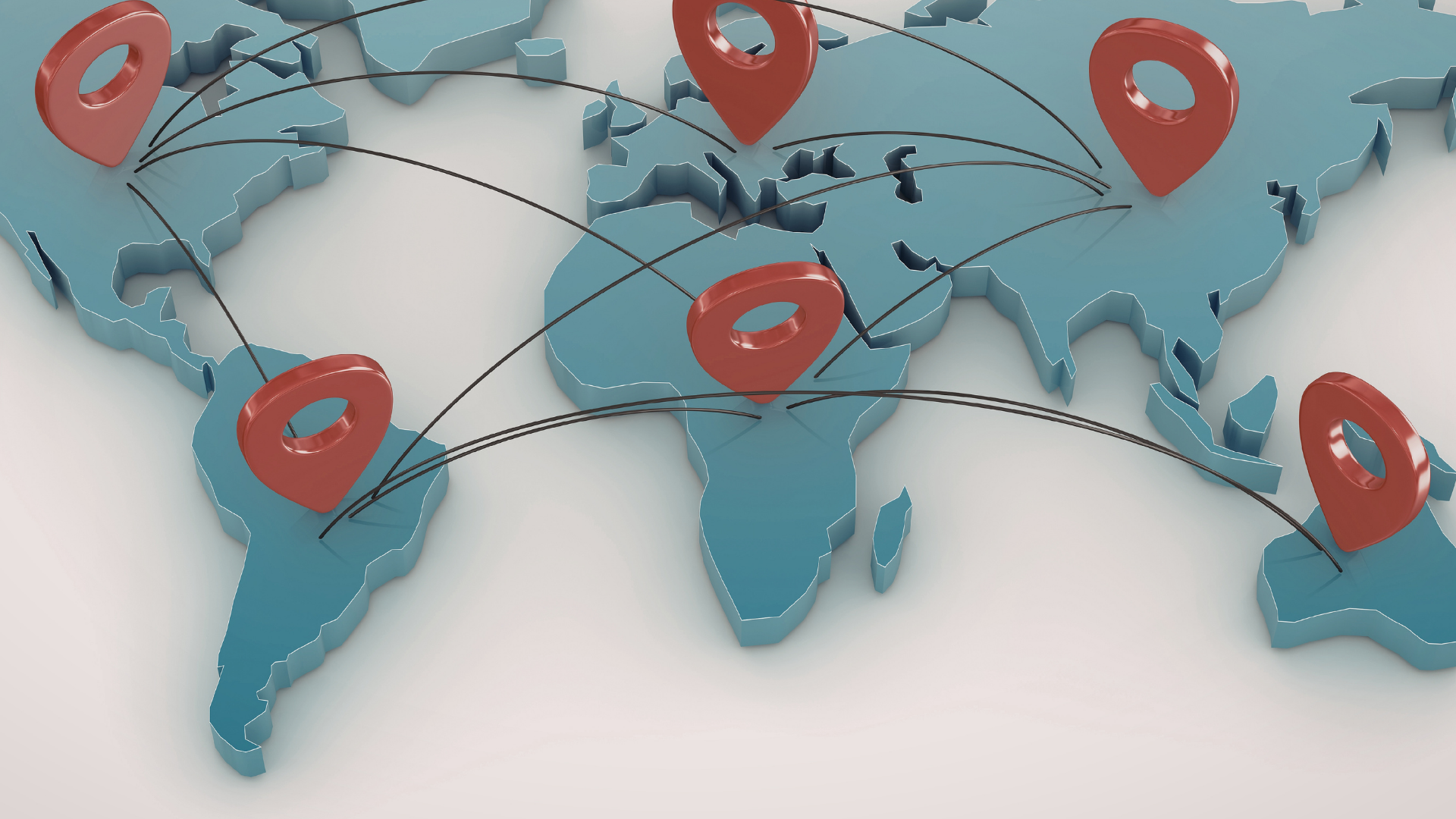
Calling yourself "global" does not make you global. If your organization is preparing to expand internationally or already operating across borders, let’s talk!

Video is one of the most effective tools for engaging global audiences, but only when it’s done right. As companies expand into international markets, multilingual video production has become essential. Yet many organizations still assume that translating a script or adding subtitles is enough to make a video work across languages and cultures. It isn’t. “Language accuracy is critical, but it’s only the starting point,” says Susanne Evens, our CEO. “If the tone, visuals, or delivery don’t align with cultural expectations, the message can miss entirely - or worse, damage trust.” What Is Multilingual Video Localization? Multilingual video localization goes beyond word-for-word translation. It adapts video content so it feels natural, credible, and engaging to audiences in different regions and cultures. That includes Language and terminology Tone and emotional delivery Pacing and structure Visual cues and symbolism Cultural norms around authority, humor, and persuasion “A video that works beautifully in English may not resonate the same way in another market, even with a perfect translation,” Evens explains. “Culture shapes how people interpret meaning - not just what they hear, but how they feel about it.” Subtitles, Voiceover, or Dubbing: Which Is Best? One of the most common SEO searches around multilingual videos is “subtitles vs dubbing vs voiceover.” The answer depends on your audience, not your budget line item. Subtitles: Cost-effective and fast, but lacks localization Ideal for regions accustomed to on-screen reading Can distract from visuals if overused Voiceover: Preserves original speaker Requires careful casting for tone, gender, and authority Often preferred for training or instructional content Dubbing: Creates the most immersive experience Must match timing, emotion, and cultural expectations Common in entertainment and consumer marketing “There’s no universal solution,” says Evens. “What matters is understanding how your audience consumes content and what feels authentic to them.” Cultural Mistakes That Undermine Global Video Performance Even well-intentioned brands make costly missteps when localizing video content. Common issues include: Humor that doesn’t translate Overly aggressive calls to action Visual symbols with unintended meanings Editing styles that feel rushed or overwhelming Narrators who lack cultural credibility “These aren’t small details,” Evens notes. “They directly affect engagement, comprehension, and trust - especially when video is someone’s first interaction with your brand.” Why “One Video, Many Languages” May Fail From an SEO and performance standpoint, a single master video translated into multiple languages can underperform. Engagement may drop, completion rates fall, and conversion suffers. The most successful global brands: Adapt messaging region by region Adjust tone and pacing per audience Involve language experts early in production Treat localization as brand strategy, not post-production cleanup “The goal isn’t just to be understood,” says Evens. “It’s to be believed.” Multilingual Video as Brand Protection Search engines reward relevance, engagement, and trust - and so do audiences. Culturally adapted video content: Improves viewer retention Strengthens brand credibility Reduces reputational risk Increases ROI on global campaigns When done correctly, multilingual video doesn’t just travel - it performs. Make Your Video Work Across Languages and Cultures If your video content is meant for global or multilingual audiences, translation alone isn’t enough. AAA Translation helps organizations think strategically about multilingual video - from language selection and cultural adaptation to subtitles, voiceover, and dubbing - so your message resonates everywhere it’s seen. Start with strategy, not subtitles. Whether you’re creating marketing videos, training content, or global communications, your message deserves to resonate everywhere it’s seen. AAA Translation helps you avoid costly missteps by ensuring your video content is accurate, culturally appropriate, and emotionally aligned. When the world is watching, let us help you be heard, exactly as you wish, in any language. Now is the time to have a global partner at the ready! Call us today at 636-530-1010 .
In 2026, smart localization starts with prioritization. Learn what content to translate first to build trust, drive revenue, and scale globally.
Earlier Articles:
In 2025, AAA Translation celebrates 25 years of business. As we near the end of this year, we take a look back at the journey. Discover the highlights!
In the world of translation and localization, errors are costly. Let's look at lessons learned from the most notable translation and localization mistakes of 2025.
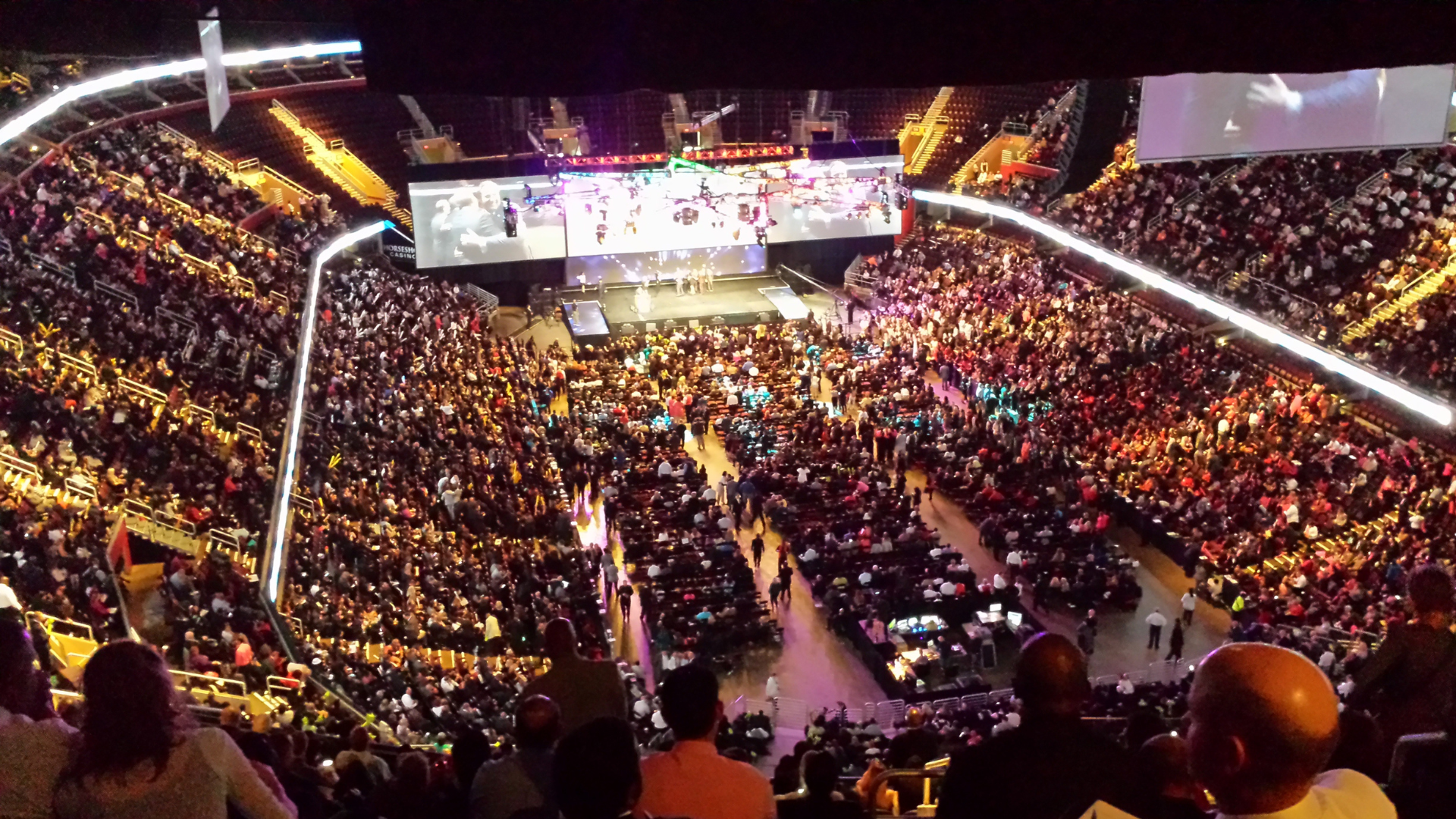
When hosting large-scale conferences, many details require attention. Convention & visitors bureaus, and event organizers, must prepare for translation needs.

AAA Translation was proud to provide on-site interpreting services for the General Conference of Seventh-day Adventists.
People respond to messages that feel like they were tailor-made for them. Transcreation ensures that it happens everywhere your business goes.

Emergency messaging must be conveyed to all accurately, securely, and professionally. Translation companies are a vital part of the emergency ecosystem.
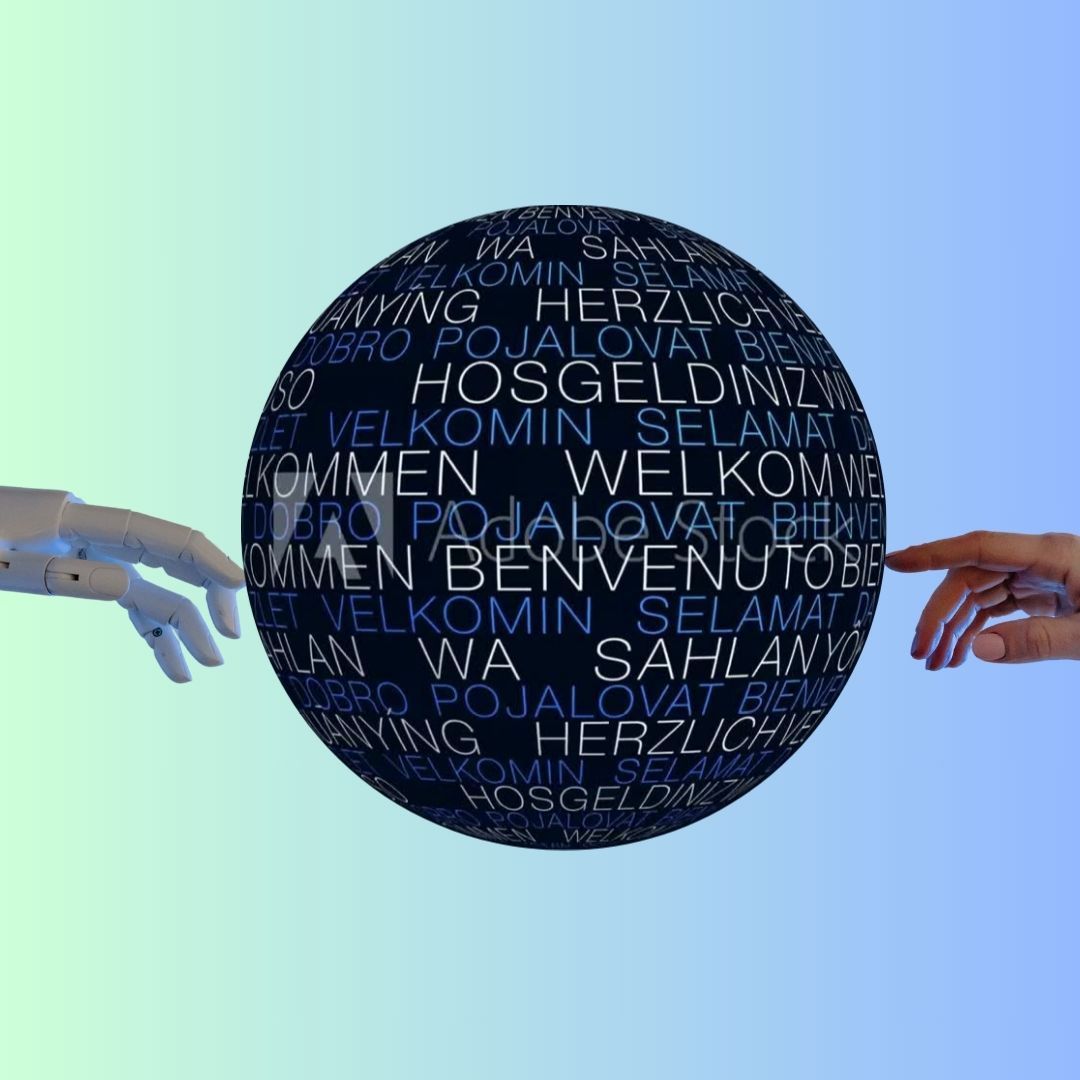
As artificial intelligence continues to evolve, businesses increasingly turn to AI-powered translation tools to bridge language barriers. While Google Translate remains a popular option, the future of AI translations is much broader, with advancements promising greater efficiency and accuracy. However, despite these improvements, AI translations still present risks that businesses must consider. Professional translation services remain essential for business communication. Confidentiality Concerns in AI Translation One of the biggest challenges with AI-driven translation tools is data security. Businesses must be cautious about where their sensitive information is processed. Many free or cloud-based AI tools store data to refine their algorithms, raising concerns about confidentiality and compliance. Why Go Pro: Professional translation services implement strict security protocols, ensuring that sensitive business data is handled securely. With encryption, non-disclosure agreements, and human oversight, professional translators provide a level of confidentiality that AI tools cannot yet guarantee. AI Accuracy vs. Business Needs AI translations are improving, but accuracy remains a major concern, especially in industries requiring precise language, such as legal, medical, and technical fields. AI models struggle with context, cultural nuances, and idiomatic expressions, leading to translations that may be technically correct but miss the intended meaning. Why Go Pro: Human translators bring contextual understanding and industry expertise that AI lacks. Professional translation services ensure that documents, contracts, and marketing materials convey the right message without errors that could lead to miscommunication or legal issues. The Role of Human Expertise in AI-Assisted Translation AI tools like Google Translate, DeepL, and Microsoft Translator are increasingly using machine learning to improve their output. While these technologies are impressive, they still require human oversight to correct errors and adapt translations for specific audiences. Why Go Pro: Many professional translation services now use AI-assisted workflows, combining the speed of AI with human expertise. This hybrid approach ensures efficiency while maintaining accuracy, cultural sensitivity, and brand consistency. Formatting and Business Presentation Challenges Business translations often require more than just words, they need to maintain formatting, branding, and layout consistency. AI translation tools do not preserve document structures, leading to additional time-consuming revisions. Why Go Pro: Professional translation services provide ready-to-use documents with original formatting intact, saving businesses time and effort in post-translation adjustments. The Future: AI as a Tool, Not a Replacement The future of AI translations is bright, with advancements in neural machine translation (NMT), real-time voice interpretation, and AI-powered localization. However, AI will not replace human translators—it will serve as a tool to enhance their efficiency. Why Go Pro: Businesses that integrate AI-assisted translation with human expertise will achieve the best results. A professional translation partner ensures that AI is used effectively while maintaining the accuracy, confidentiality, and cultural nuance that only human linguists can provide. Partner with AAA Translation At AAA Translation, we leverage both cutting-edge AI tools and expert human translators to deliver precise, culturally relevant translations. We understand the appeal of AI translation services - quick, cost-effective, and increasingly sophisticated. However, even the best AI tools can struggle with nuance, industry-specific terminology, and cultural context, leading to errors that may impact clarity and professionalism. That’s where we come in. Our expert linguists can meet you halfway by providing thorough proofreading and refinement of your AI-translated documents, ensuring accuracy, consistency, and a natural flow that truly resonates with your audience. This hybrid approach allows you to leverage AI’s efficiency while maintaining the quality and precision that only human expertise can provide. While AI translation is evolving, human expertise remains critical for business communication. Partner with us to ensure your message is conveyed accurately, securely, and professionally, no matter the language.

Since 2012, AAA Translation has been truly honored to provide translation services for The Vatican. Multilingualism allows The Vatican to engage effectively in international relations, issue statements, and respond to global events in various languages. The Vatican, the world’s smallest independent city-state, is not only the spiritual center for over a billion Catholics but also a hub of linguistic diversity. Despite its diminutive size—just 44 hectares—the Vatican plays a significant global role, requiring a multilingual approach to its communications, publications, and diplomacy. Languages in Vatican Publications The Vatican publishes in numerous foreign languages to reach its global audience. The official newspaper, L'Osservatore Romano, is published in several editions, including: Italian (the daily edition) English French Spanish German Portuguese Polish Malayalam (for the Indian Catholic community) In addition, various official documents, such as papal encyclicals, apostolic exhortations, and catechisms, are translated into dozens of other languages depending on the significance and intended reach of the content. For example, major Church documents may be published in over 30 languages , covering Latin America, Africa, Asia, and Europe. The Vatican also maintains a Latin version of key documents and liturgical texts, as Latin remains the Church’s official language. Languages Spoken by Pope Leo XIV Pope Leo XIV speaks English, Spanish, French, Italian and Portuguese, and can read Latin and German, according to the National Catholic Reporter . Why Language Matters in the Vatican The Vatican’s commitment to linguistic diversity is not just about communication; it's also symbolic of the Church’s universality. Efforts to translate papal messages and theological texts into many languages underscore the Vatican's desire to reach all faithful, regardless of geography or native language. Moreover, Vatican Radio and the Vatican News portal broadcast and publish content in over 40 languages , including Swahili, Chinese, Arabic, and Tagalog. This extensive multilingual media presence ensures that the Pope’s voice and the Church’s teachings resonate in even the most remote corners of the world. Learning foreign languages empowers us to connect with the world, embrace diverse cultures, and unlock endless possibilities beyond borders.
May 2025 marks an important milestone for AAA Translation, as we celebrate 25 years in business. As I celebrate this milestone, I am filled with excitement for the future. The world is changing, and with it, new opportunities are arising. The next chapter will be about innovation and continuing to create value on a global scale.

Education is the foundation for nurturing curiosity and inspiring the next generation of scientists, researchers, and innovators. AAA Translation takes immense pride in making scientific knowledge accessible to children worldwide, ensuring that language is never a barrier to understanding.