Keep up with the latest news and updates on doing globally-minded business in a global world.

Far more than swapping words — translation is an act of bridging entire worlds. When most people think of translation, they picture a dictionary — a word on one side, its equivalent on the other. But anyone who has ever tried to translate a poem, a joke, or a heartfelt letter knows the truth: language is not a code to be cracked. It is a living system shaped by history, culture, emotion, and context. Translation, at its core, is the art and science of carrying meaning across that divide. "Translation is not a matter of words only. It is a matter of making intelligible a whole culture." — Anthony Burgess The linguistic layer: structure, grammar, and vocabulary The most visible dimension of translation is linguistics. Every language has its own grammar — its rules for constructing sentences, indicating tense, marking gender, expressing plurality, and more. English uses strict word order to convey meaning; Turkish relies on suffixes; Mandarin depends heavily on context and tone. A translator must not only know what words mean but understand how those meanings shift when assembled differently. Vocabulary itself is a minefield. Languages rarely have perfect one-to-one word correspondences. Portuguese has saudade — a deep, melancholic longing for something or someone absent — for which English has no single word. German offers Schadenfreude, the pleasure derived from another's misfortune, now borrowed wholesale into English precisely because we lacked an equivalent. A good translator decides: do you borrow the foreign word, explain it in a phrase, or find the closest approximation and accept some loss? Vocabulary - Finding equivalents where none may exist Grammar - Restructuring meaning across different syntactic rules Register - Matching the formality and tone of the original The cultural layer: context that words alone can't carry Language is the product of a community. Every sentence carries cultural assumptions about social roles, shared history, and unspoken norms. Translating a Japanese business email requires understanding a whole framework of hierarchical politeness that simply does not exist in English in the same form. Translating an Arabic proverb means deciding whether to keep its unfamiliar imagery — and let readers feel the foreignness — or substitute a culturally equivalent saying from the target language. Humor is perhaps the greatest cultural test. A pun in one language rarely survives translation because wordplay is rooted in the specific sounds and double meanings of a particular tongue. Skilled translators often create entirely new jokes that produce the same comic effect, rather than explaining the original — because explanation, as any comedian knows, kills the laugh. The tonal and stylistic layer: voice and register Translation is also an act of writing. A translator must not only understand the source text but reproduce its voice. The compressed, staccato rhythms of Hemingway demand a vastly different approach than the ornate, breathless sentences of Proust. Poetry complicates this further: should a translator preserve the rhyme scheme, the meter, the literal meaning, or the emotional texture? Often, it is impossible to preserve all four — and every choice is a kind of small loss. Register matters equally. A legal document must be rendered with technical precision; a children's book must feel playful and natural in the target language; a medical consent form must be clear, unambiguous, and culturally sensitive to the patient's context. The translator calibrates not just what is said, but how it would naturally be said to this particular audience. Every translation is an interpretation. The question is not whether meaning will change, but how — and by how much. Machine translation vs. human translation The rise of neural machine translation — tools like Google Translate and DeepL — has transformed the field. These systems are remarkably good at conveying surface-level meaning quickly and affordably, and they continue to improve. For everyday practical needs, they are often sufficient: understanding a restaurant menu, getting the gist of a news article, communicating basic information across a language barrier. But machines still struggle with the deeper layers. They miss irony, misread ambiguous idioms, flatten stylistic nuance, and stumble on culturally embedded references. For literary, legal, medical, or diplomatic translation — where precision, nuance, and trust are paramount — the human translator remains indispensable. Many professional workflows today use machine translation as a starting draft that a human then edits and refines, a practice known as post-editing. The ethics and fidelity of translation Every translator faces a fundamental tension: fidelity to the source text versus accessibility to the target reader. A highly literal translation preserves the original's structure but can feel alien or even incomprehensible. A highly free translation reads beautifully but may drift far from what was actually written. Translators speak of being "faithful but not slavish" — staying true to meaning, intent, and spirit, without being trapped by surface form. There is also the matter of power. Translation has historically been used to colonize, convert, and control — rendering foreign texts in ways that served ideological agendas. Today's translators are increasingly attentive to this history, asking whose voice is centered, whose cultural knowledge is assumed, and whose worldview is quietly imposed through word choice. Translation as an act of empathy Ultimately, translation is an act of empathy. It asks the translator to inhabit another mind — to understand not just what someone said, but what they meant, felt, and assumed when they said it — and then to find the words that would produce a similar understanding in a reader who may live in an entirely different cultural world. It is one of the most humanizing things we do with language: refusing to let the accident of birth in one tongue become a barrier to understanding those born in another. Whether you are reading Dostoevsky in English, watching a subtitled film, negotiating a business contract across continents, or simply using a translation app to ask for directions in a foreign city, you are benefiting from this ancient, nuanced, and deeply human craft.
Calling yourself "global" does not make you global. If your organization is preparing to expand internationally or already operating across borders, let’s talk!

Video is one of the most effective tools for engaging global audiences, but only when it’s done right. As companies expand into international markets, multilingual video production has become essential. Yet many organizations still assume that translating a script or adding subtitles is enough to make a video work across languages and cultures. It isn’t. “Language accuracy is critical, but it’s only the starting point,” says Susanne Evens, our CEO. “If the tone, visuals, or delivery don’t align with cultural expectations, the message can miss entirely - or worse, damage trust.” What Is Multilingual Video Localization? Multilingual video localization goes beyond word-for-word translation. It adapts video content so it feels natural, credible, and engaging to audiences in different regions and cultures. That includes Language and terminology Tone and emotional delivery Pacing and structure Visual cues and symbolism Cultural norms around authority, humor, and persuasion “A video that works beautifully in English may not resonate the same way in another market, even with a perfect translation,” Evens explains. “Culture shapes how people interpret meaning - not just what they hear, but how they feel about it.” Subtitles, Voiceover, or Dubbing: Which Is Best? One of the most common SEO searches around multilingual videos is “subtitles vs dubbing vs voiceover.” The answer depends on your audience, not your budget line item. Subtitles: Cost-effective and fast, but lacks localization Ideal for regions accustomed to on-screen reading Can distract from visuals if overused Voiceover: Preserves original speaker Requires careful casting for tone, gender, and authority Often preferred for training or instructional content Dubbing: Creates the most immersive experience Must match timing, emotion, and cultural expectations Common in entertainment and consumer marketing “There’s no universal solution,” says Evens. “What matters is understanding how your audience consumes content and what feels authentic to them.” Cultural Mistakes That Undermine Global Video Performance Even well-intentioned brands make costly missteps when localizing video content. Common issues include: Humor that doesn’t translate Overly aggressive calls to action Visual symbols with unintended meanings Editing styles that feel rushed or overwhelming Narrators who lack cultural credibility “These aren’t small details,” Evens notes. “They directly affect engagement, comprehension, and trust - especially when video is someone’s first interaction with your brand.” Why “One Video, Many Languages” May Fail From an SEO and performance standpoint, a single master video translated into multiple languages can underperform. Engagement may drop, completion rates fall, and conversion suffers. The most successful global brands: Adapt messaging region by region Adjust tone and pacing per audience Involve language experts early in production Treat localization as brand strategy, not post-production cleanup “The goal isn’t just to be understood,” says Evens. “It’s to be believed.” Multilingual Video as Brand Protection Search engines reward relevance, engagement, and trust - and so do audiences. Culturally adapted video content: Improves viewer retention Strengthens brand credibility Reduces reputational risk Increases ROI on global campaigns When done correctly, multilingual video doesn’t just travel - it performs. Make Your Video Work Across Languages and Cultures If your video content is meant for global or multilingual audiences, translation alone isn’t enough. AAA Translation helps organizations think strategically about multilingual video - from language selection and cultural adaptation to subtitles, voiceover, and dubbing - so your message resonates everywhere it’s seen. Start with strategy, not subtitles. Whether you’re creating marketing videos, training content, or global communications, your message deserves to resonate everywhere it’s seen. AAA Translation helps you avoid costly missteps by ensuring your video content is accurate, culturally appropriate, and emotionally aligned. When the world is watching, let us help you be heard, exactly as you wish, in any language. Now is the time to have a global partner at the ready! Call us today at 636-530-1010 .
In 2026, smart localization starts with prioritization. Learn what content to translate first to build trust, drive revenue, and scale globally.
In 2025, AAA Translation celebrates 25 years of business. As we near the end of this year, we take a look back at the journey. Discover the highlights!
In the world of translation and localization, errors are costly. Let's look at lessons learned from the most notable translation and localization mistakes of 2025.
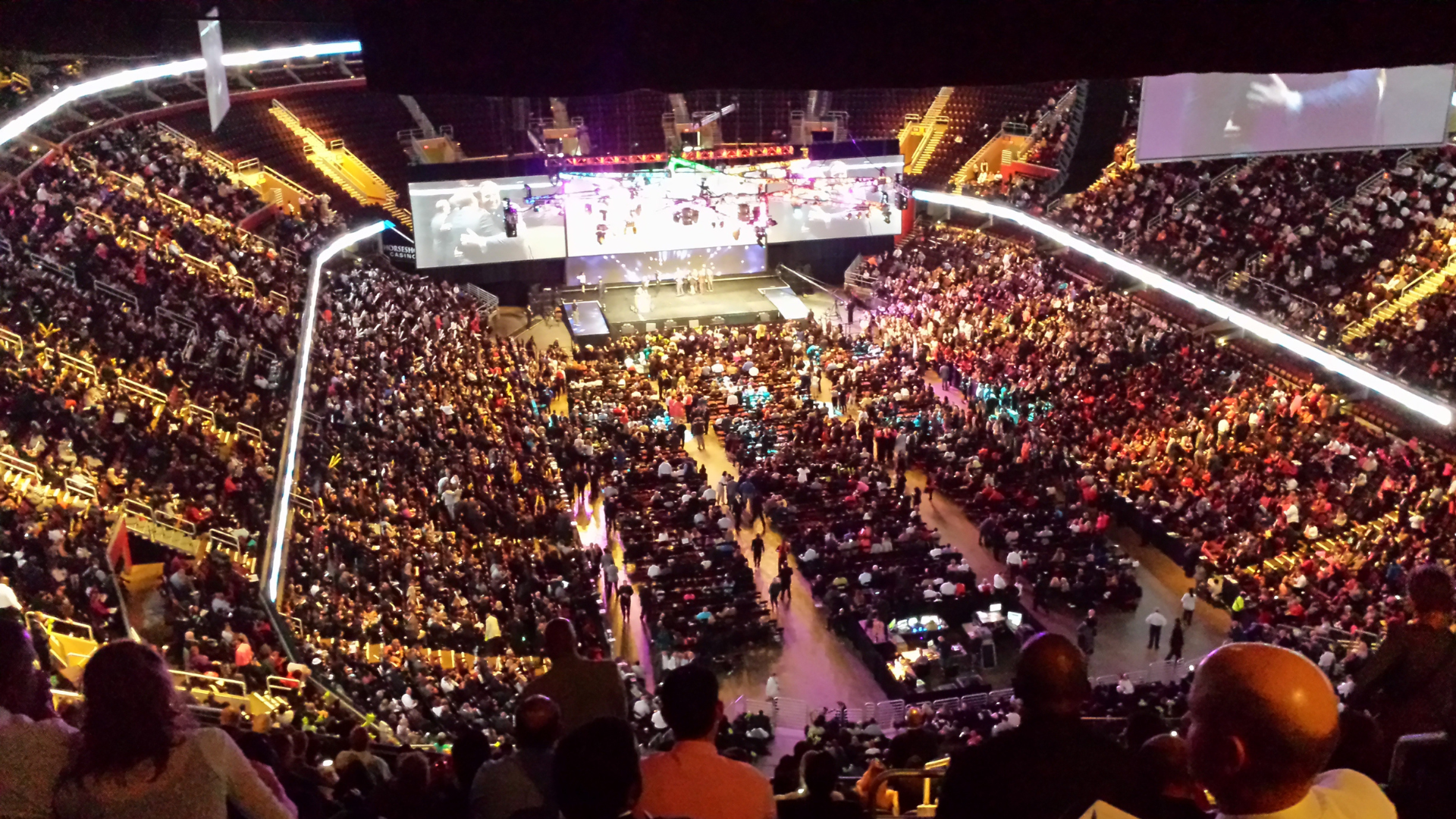
When hosting large-scale conferences, many details require attention. Convention & visitors bureaus, and event organizers, must prepare for translation needs.

AAA Translation was proud to provide on-site interpreting services for the General Conference of Seventh-day Adventists.
People respond to messages that feel like they were tailor-made for them. Transcreation ensures that it happens everywhere your business goes.

Emergency messaging must be conveyed to all accurately, securely, and professionally. Translation companies are a vital part of the emergency ecosystem.
Earlier Articles:
As artificial intelligence continues to evolve, businesses increasingly turn to AI-powered translation tools to bridge language barriers. While Google Translate remains a popular option, the future of AI translations is much broader, with advancements promising greater efficiency and accuracy. However, despite these improvements, AI translations still present risks that businesses must consider. Professional translation services remain essential for business communication. Confidentiality Concerns in AI Translation One of the biggest challenges with AI-driven translation tools is data security. Businesses must be cautious about where their sensitive information is processed. Many free or cloud-based AI tools store data to refine their algorithms, raising concerns about confidentiality and compliance. Why Go Pro: Professional translation services implement strict security protocols, ensuring that sensitive business data is handled securely. With encryption, non-disclosure agreements, and human oversight, professional translators provide a level of confidentiality that AI tools cannot yet guarantee. AI Accuracy vs. Business Needs AI translations are improving, but accuracy remains a major concern, especially in industries requiring precise language, such as legal, medical, and technical fields. AI models struggle with context, cultural nuances, and idiomatic expressions, leading to translations that may be technically correct but miss the intended meaning. Why Go Pro: Human translators bring contextual understanding and industry expertise that AI lacks. Professional translation services ensure that documents, contracts, and marketing materials convey the right message without errors that could lead to miscommunication or legal issues. The Role of Human Expertise in AI-Assisted Translation AI tools like Google Translate, DeepL, and Microsoft Translator are increasingly using machine learning to improve their output. While these technologies are impressive, they still require human oversight to correct errors and adapt translations for specific audiences. Why Go Pro: Many professional translation services now use AI-assisted workflows, combining the speed of AI with human expertise. This hybrid approach ensures efficiency while maintaining accuracy, cultural sensitivity, and brand consistency. Formatting and Business Presentation Challenges Business translations often require more than just words, they need to maintain formatting, branding, and layout consistency. AI translation tools do not preserve document structures, leading to additional time-consuming revisions. Why Go Pro: Professional translation services provide ready-to-use documents with original formatting intact, saving businesses time and effort in post-translation adjustments. The Future: AI as a Tool, Not a Replacement The future of AI translations is bright, with advancements in neural machine translation (NMT), real-time voice interpretation, and AI-powered localization. However, AI will not replace human translators—it will serve as a tool to enhance their efficiency. Why Go Pro: Businesses that integrate AI-assisted translation with human expertise will achieve the best results. A professional translation partner ensures that AI is used effectively while maintaining the accuracy, confidentiality, and cultural nuance that only human linguists can provide. Partner with AAA Translation At AAA Translation, we leverage both cutting-edge AI tools and expert human translators to deliver precise, culturally relevant translations. We understand the appeal of AI translation services - quick, cost-effective, and increasingly sophisticated. However, even the best AI tools can struggle with nuance, industry-specific terminology, and cultural context, leading to errors that may impact clarity and professionalism. That’s where we come in. Our expert linguists can meet you halfway by providing thorough proofreading and refinement of your AI-translated documents, ensuring accuracy, consistency, and a natural flow that truly resonates with your audience. This hybrid approach allows you to leverage AI’s efficiency while maintaining the quality and precision that only human expertise can provide. While AI translation is evolving, human expertise remains critical for business communication. Partner with us to ensure your message is conveyed accurately, securely, and professionally, no matter the language.

Since 2012, AAA Translation has been truly honored to provide translation services for The Vatican. Multilingualism allows The Vatican to engage effectively in international relations, issue statements, and respond to global events in various languages. The Vatican, the world’s smallest independent city-state, is not only the spiritual center for over a billion Catholics but also a hub of linguistic diversity. Despite its diminutive size—just 44 hectares—the Vatican plays a significant global role, requiring a multilingual approach to its communications, publications, and diplomacy. Languages in Vatican Publications The Vatican publishes in numerous foreign languages to reach its global audience. The official newspaper, L'Osservatore Romano, is published in several editions, including: Italian (the daily edition) English French Spanish German Portuguese Polish Malayalam (for the Indian Catholic community) In addition, various official documents, such as papal encyclicals, apostolic exhortations, and catechisms, are translated into dozens of other languages depending on the significance and intended reach of the content. For example, major Church documents may be published in over 30 languages , covering Latin America, Africa, Asia, and Europe. The Vatican also maintains a Latin version of key documents and liturgical texts, as Latin remains the Church’s official language. Languages Spoken by Pope Leo XIV Pope Leo XIV speaks English, Spanish, French, Italian and Portuguese, and can read Latin and German, according to the National Catholic Reporter . Why Language Matters in the Vatican The Vatican’s commitment to linguistic diversity is not just about communication; it's also symbolic of the Church’s universality. Efforts to translate papal messages and theological texts into many languages underscore the Vatican's desire to reach all faithful, regardless of geography or native language. Moreover, Vatican Radio and the Vatican News portal broadcast and publish content in over 40 languages , including Swahili, Chinese, Arabic, and Tagalog. This extensive multilingual media presence ensures that the Pope’s voice and the Church’s teachings resonate in even the most remote corners of the world. Learning foreign languages empowers us to connect with the world, embrace diverse cultures, and unlock endless possibilities beyond borders.
May 2025 marks an important milestone for AAA Translation, as we celebrate 25 years in business. As I celebrate this milestone, I am filled with excitement for the future. The world is changing, and with it, new opportunities are arising. The next chapter will be about innovation and continuing to create value on a global scale.

Education is the foundation for nurturing curiosity and inspiring the next generation of scientists, researchers, and innovators. AAA Translation takes immense pride in making scientific knowledge accessible to children worldwide, ensuring that language is never a barrier to understanding.
A well-localized website can effectively bridge the gap between an organization and international markets, while an inadequately localized one risks alienating potential audiences. Discover the key benefits and strategies of website localization.

Language Translation Services are essential in the food industry. For food businesses expanding into international markets or managing diverse workforces, professional language services offer indispensable solutions. AAA Translation provides strategic services to help food businesses with clear messaging that is culturally relevant and impactful.
Summer vacations are often associated with beach holidays and road trips, but there are countless unique ways to enjoy this season around the globe. Each culture brings its own flavor to summer, creating memorable experiences that go beyond the typical. Take a journey to discover some of the most unique summer vacation customs from various parts of the world. 1. Finland: Midnight Sun and Midsummer Festivals In Finland, the summer solstice, known as Juhannus, is a major celebration. The phenomenon of the Midnight Sun, where the sun doesn’t set, provides endless daylight for festivities. Finns typically escape to their summer cottages by lakes, light bonfires, and enjoy sauna sessions. Juhannus is marked by a mix of relaxation and revelry, with traditional foods, folk dances, and time spent in nature. 2. Japan: Hanabi Taikai (Fireworks Festivals) Japan's summer nights are lit up by spectacular fireworks festivals known as Hanabi Taikai. These events are deeply ingrained in Japanese culture, with some of the most famous festivals taking place in Tokyo, Osaka, and along riversides. Locals and tourists dress in traditional yukata (light summer kimono), enjoy street food from various stalls, and gather to watch the intricate and colorful fireworks displays. 3. Italy: Ferragosto Ferragosto, celebrated on August 15th, is a national holiday in Italy with ancient roots dating back to Roman times. This holiday marks the peak of the summer vacation season. Italians often head to the beach, mountains, or countryside to escape the heat. Many businesses close for the day, and cities like Rome and Florence empty out as residents and tourists alike take part in feasts, fireworks, and outdoor activities. 4. Iceland: Camping and Exploring Under the Midnight Sun In Iceland, the Midnight Sun provides almost 24 hours of daylight, allowing for endless exploration. Camping in lava fields, hiking on glaciers, and soaking in geothermal hot springs are popular summer activities. The long days make it possible to pack in many adventures without worrying about nightfall, creating a magical and unique vacation experience. 5. Sweden: Midsommar Celebrations Sweden’s Midsommar is one of the most important holidays, celebrated around the summer solstice. Swedes gather with family and friends to raise and dance around the maypole, adorn themselves with flower crowns, and enjoy a traditional feast of pickled herring, new potatoes, and strawberries. It’s a time of joy, music, and connecting with nature, often spent in the countryside or by the water. 6. Peru: Inti Raymi (Festival of the Sun) In Peru, the ancient Incan festival of Inti Raymi, celebrated on June 24th, marks the winter solstice in the Southern Hemisphere. The city of Cusco becomes a vibrant stage for reenactments, traditional music, and dance performances. Visitors from around the world join in this colorful celebration to honor the sun god, Inti. The event culminates at the historic Sacsayhuamán fortress with elaborate rituals and displays. 7. Mongolia: Naadam Festival Mongolia’s Naadam Festival, held in July, is a centuries-old celebration featuring "the three manly games": wrestling, horse racing, and archery. This national holiday is a unique blend of sports competition and cultural festivities. Nomadic families from across the country gather to participate and celebrate, offering visitors a chance to experience Mongolian traditions, hospitality, and the vast beauty of the steppes. 8. India: Monsoon Magic in Kerala While summer in India can be extremely hot, the monsoon season brings a refreshing change. In Kerala, the arrival of the monsoon transforms the landscape into a lush, green paradise. Travelers can enjoy houseboat rides through the backwaters, Ayurvedic treatments, and the festival of Onam, which features elaborate feasts, traditional boat races, and cultural performances, celebrating the harvest and the homecoming of the mythical King Mahabali. 9. Scotland: Highland Games The Scottish Highland Games, held from spring to autumn, are a highlight of the summer. These games, rooted in Celtic tradition, feature unique events such as caber tossing, tug-of-war, and hammer throwing. Attending the Highland Games allows visitors to experience traditional Scottish sports, dance, and music amidst the stunning landscapes of the Scottish Highlands. Conclusion Summer vacation customs around the world offer a vibrant tapestry of cultural diversity and traditions. From the endless daylight of Iceland’s Midnight Sun to the colorful festivities of Peru’s Inti Raymi, these unique experiences provide a fresh perspective on how to enjoy the summer season. Exploring these customs not only enriches our understanding of different cultures but also adds unforgettable moments to our travel diaries. So, this summer, consider stepping off the beaten path to immerse yourself in one of these extraordinary traditions.
In an increasingly interconnected world, businesses aiming for global expansion must prioritize localization to resonate with diverse audiences. Localization, the process of adapting products or services to suit specific regions or cultures, is not merely a translation endeavor but a strategic goal. This white paper explores the importance of proper localization and identifies potential pitfalls to avoid in achieving effective global engagement. Cultural Relevance: Localization ensures cultural sensitivity by aligning content with local norms, values, and preferences. It transcends language barriers, resonating with audiences on a deeper level and fostering genuine connections. Neglecting cultural nuances can lead to misunderstandings, alienation, or even offense, hindering market entry and reputation. Enhanced User Experience: Properly localized products provide a seamless user experience tailored to regional expectations. From user interfaces to customer support, localized content enhances usability, increasing customer satisfaction and loyalty. Failure to adapt can result in frustration, diminished user adoption, and loss of competitive edge in global markets. Market Access: Effective localization facilitates market access by addressing unique market dynamics and consumer behaviors. It enables businesses to capitalize on local trends, preferences, and purchasing habits, thus gaining a competitive advantage. Without localized strategies, businesses risk being overshadowed by competitors who resonate more deeply with their target audiences. Brand Perception: Localization influences brand perception, shaping how a company is perceived in different markets. By demonstrating commitment to local communities through culturally relevant content, businesses build trust and credibility. Conversely, poor localization can damage brand reputation, eroding trust and hindering long-term growth prospects. Legal and Regulatory Compliance: Localization ensures compliance with local laws, regulations, and standards, mitigating legal risks and liabilities. From data privacy to product labeling, adherence to local requirements is essential for market entry and sustainability. Neglecting compliance can result in costly legal disputes, fines, or even market expulsion. Pitfalls to Avoid in Localization: Overreliance on Machine Translation: Relying solely on machine translation without human oversight can lead to inaccuracies, awkward phrasing, and cultural insensitivity. While automation expedites the process, human linguists and cultural experts are indispensable for ensuring quality and context accuracy. Ignoring Cultural Nuances: Failing to understand and incorporate cultural nuances can result in misinterpretation or offense. Colors, symbols, gestures, and humor vary widely across cultures and must be carefully considered in localization efforts to avoid unintended consequences. Inconsistent Brand Voice: Inconsistent brand voice across regions can dilute brand identity and confuse consumers. Maintaining a cohesive brand narrative while adapting to local contexts requires strategic planning and coordination to ensure brand integrity. Underestimating Technical Challenges: Technical challenges, such as software compatibility, encoding issues, and platform limitations, can impede effective localization efforts. Thorough testing and collaboration between localization teams and technical experts are essential to overcome these obstacles. Conclusion: Proper localization is imperative for global success, enabling businesses to forge meaningful connections, enhance user experiences, penetrate new markets, and safeguard brand reputation. However, navigating the pitfalls of localization requires careful consideration of cultural, linguistic, technical, and regulatory factors. By prioritizing effective localization strategies and avoiding common pitfalls, businesses can unlock the full potential of global markets and drive sustainable growth. Experience AAA Translation’s world-class services tailored to your global engagement needs. Trusted by top companies worldwide across industries covering manufacturing, travel, finance, healthcare, and life sciences, we are the premier choice for professional translations. www.AAATranslation.com
During online multilingual meetings, observing proper speaker etiquette is pivotal to fostering a successful and seamless experience. Interpreters serve as conduits, helping communication among cultural and linguistic diversity. Outlined below are essential tips aimed for speakers to effectively convey their message while collaborating with interpreters: Ensure a Stable Internet Connection: Use hard-wired ethernet connections for enhanced stability. Wi-Fi or hotspot connections are ill-suited for meetings requiring interpretation due to susceptibility to interference. Opt for High-Quality Microphones: Using plugged-in microphones of superior quality is imperative. Built-in microphones on devices often do not meet the standards necessary for interpreters to accurately convey your message. Cultivate a Controlled Environment: Mitigate external distractions and noise sources. Disable push notifications on all devices to keep focus during the meeting. Position Your Camera at Eye Level: Enable interpreters to clearly see your facial expressions and body language. Adjust Lighting Conditions: Ensure adequate lighting, preferably natural, to optimize visibility. Position yourself facing the primary light source for best clarity. Share Documents and Presentations in Advance: Enhance interpreter performance by providing materials beforehand, helping seamless integration of your content into their interpretation. Conduct Rehearsals with Interpreters: Schedule preparatory sessions to familiarize interpreters with your speaking style and address any technical or linguistic challenges prior to the main event. Maintain Exclusive Use of Speaker Microphones: Minimize disruptions by ensuring only the speaker's microphone is active, alleviating overlapping voices and outside noise that may hamper interpretation. Specify Language Usage: Clearly communicate the language you will be using, enabling participants to select the proper audio channel for best comprehension. Exercise Caution with Pre-recorded Content: When presenting pre-recorded videos, refrain from altering the playback speed, as this may compromise the interpretation quality. By adhering to these guidelines, speakers can effectively collaborate with interpreters, fostering an environment conducive to meaningful cross-cultural communication and engagement.
In an increasingly interconnected global marketplace, businesses are continually seeking opportunities to expand their reach and set up a presence on the international stage. Trade shows serve as pivotal platforms for networking, displaying products, and forging lucrative partnerships. However, the success of a company at trade shows is contingent upon its ability to communicate effectively with diverse audiences. This white paper clarifies the importance of localizing materials for trade shows and how this strategic approach can elevate a company's global presence. Read More